A Complete Guide to Pool Surround Cleaning and Sealing
A well-maintained pool surround transforms your outdoor space into a personal retreat, adding aesthetic appeal and substantial value to your property. However, in Toowoomba, outdoor surfaces face distinct environmental demands throughout the year. From crisp winter frosts on the Range to humid, storm-prone summer afternoons, local pool paving is continually exposed to moisture, organic debris, and fluctuating temperatures. Maintaining these hardscapes requires an understanding of effective cleaning methods and protective sealing techniques designed to withstand the regional climate.
Why Pool Surround Maintenance Matters in Toowoomba
Toowoomba's reputation as the Garden City means backyards often feature lush foliage, towering gums, and mature deciduous trees. While beautiful, this proximity to nature introduces heavy loads of organic matter, such as eucalyptus tannins, falling leaves, and pollen, directly onto surrounding pavers, concrete, or natural stone. When combined with chlorinated or saltwater splash-out, these elements quickly lead to deep staining, slippery algae growth, and surface degradation.
Furthermore, Toowoomba's dramatic seasonal temperature swings contribute to premature wear. Moisture absorbed into porous, unsealed stone can undergo micro-expansion during chilly winter mornings, accelerating surface crumbling (spalling) and pitting. Routine cleaning and sealing preserve structural integrity, maintain critical slip resistance, and keep the poolside area safe for family and guests.

Understanding Surface Types Around Local Pools
Different paving materials require specific care protocols. Natural stone, such as sandstone and travertine, remains widely popular in modern Queensland landscape design, yet these stones are naturally porous. Sandstone readily absorbs liquids, making it vulnerable to salt water attack and stubborn green mould. Travertine features natural voids that can trap dirt and pool chemicals if left unsealed.
Conversely, exposed aggregate, poured concrete, and manufactured concrete pavers are harder-wearing but equally susceptible to organic staining and efflorescence—a white, powdery mineral deposit drawn to the surface as moisture evaporates. Tailoring cleaning agents and sealer formulations to the specific substrate is vital to avoid surface etching or discolouration.
The Pool Surround Cleaning Process
Effective pool surround restoration begins with thorough, careful cleaning. Simply blasting pavers with high-pressure water is often counterproductive; excessive pressure can gouge soft stone, https://kameronuzgn473.swiftnestly.com/posts/how-to-safely-pressure-wash-a-timber-deck-without-damage strip away jointing sand, and leave unsightly wand marks without eradicating deep-seated fungal spores.
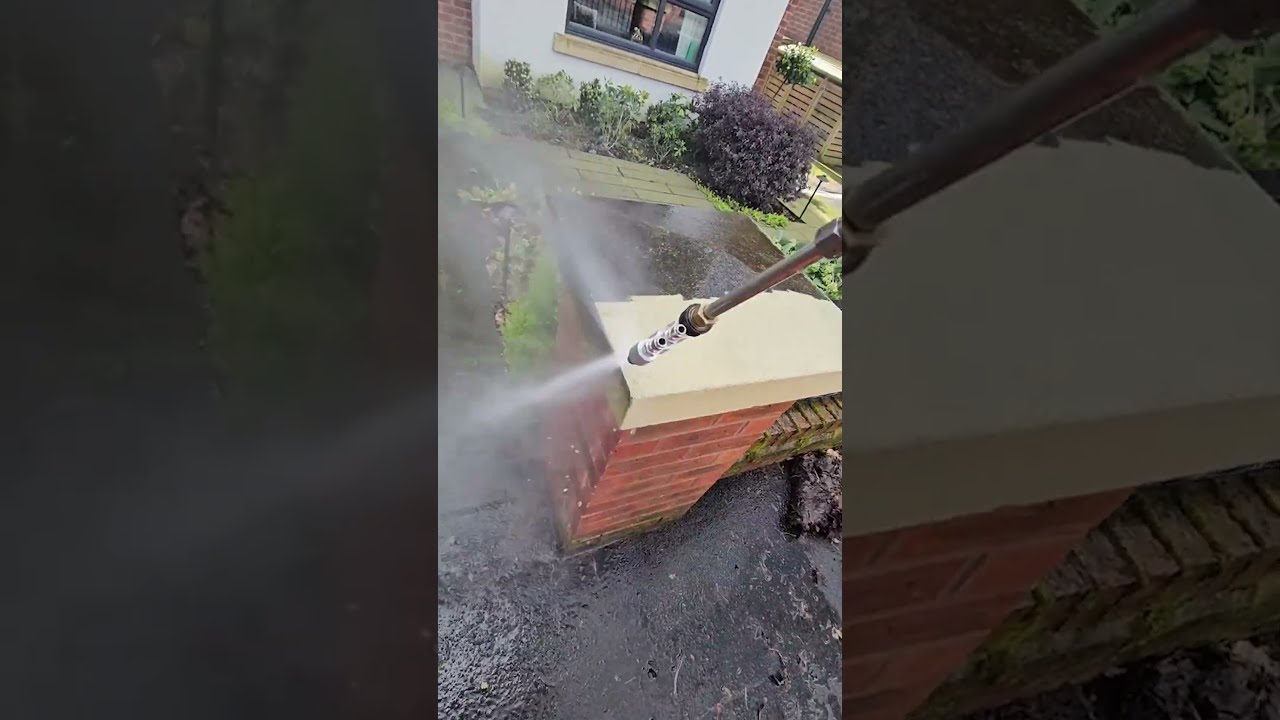
Modern exterior cleaning practices rely on specialized pre-treatments. Biodegradable, pool-safe cleaning solutions are applied to break the bond of embedded dirt, grease, and biological growth. Once the solution neutralizes organic matter such as black spot lichen and moss, technicians utilize commercial rotary surface cleaners. These tools distribute even water pressure across the hardscape, washing away contaminants cleanly without abrading the stone's delicate surface matrix.
The Purpose of Sealing: Penetrating vs Topical
Once pavers or concrete surfaces are completely clean and dry, sealing creates a defensive barrier against future deterioration. When selecting a sealer, property owners generally choose between two primary categories:
Topical Sealers: These coatings form a protective film over the top of the stone, often providing a glossy or wet-look finish. While they offer good stain resistance, they are generally not recommended for immediate pool copings because they can become extremely slippery when wet and may trap ground moisture escaping from underneath.
Penetrating (Impregnating) Sealers: The gold standard for pool surrounds in 2026, penetrating sealers sink deep into the microscopic pores of the stone or concrete. They chemically bond below the surface, repelling water, pool salts, oils, and tannins without altering the natural texture or reducing slip resistance. Penetrating sealers remain fully breathable, allowing trapped moisture vapour to escape naturally rather than blistering the coating.
Key Steps in a Professional Cleaning and Sealing Project
Achieving durable, long-lasting protection involves a methodical approach to ensure the sealer adheres correctly and performs for years to come.
- Comprehensive Surface Inspection: Assessing substrate porosity, joint sand condition, existing coatings, and areas of efflorescence or chemical staining.
- Targeted Decontamination: Applying specialized cleaning solutions to dissolve oils, sunscreens, mineral deposits, and organic growth.
- Controlled Surface Washing: Removing lifted contaminants using regulated rotary pressure cleaning while safeguarding pool water from runoff.
- Deep Moisture Testing: Ensuring the stone is entirely dry down to sub-surface levels, as residual moisture prevents sealers from curing properly.
- Sealer Application: Evenly saturating the surface with high-grade penetrating sealer, allowing it to absorb fully before buffing off excess residue.
Warning Signs That Your Pool Surround Requires Attention
Knowing when to schedule cleaning and resealing prevents minor surface blemishes from evolving into costly structural repairs.
- Immediate Water Absorption: Splashed pool water instantly darkens the dry stone rather than beading on the surface.
- Slick Surfaces: Pavers become noticeably slippery underfoot, indicating micro-algae growth within stone pores.
- Persistent Salt Ringing or Efflorescence: Chalky white deposits forming along copings and grout lines.
- Organic Shadows: Stubborn leaf and berry stains that refuse to budge with basic hose washing.
Ongoing Maintenance for 2026 and Beyond
Proper maintenance protects your investment long after the initial sealing is complete. Regularly sweep fallen leaves and garden debris from poolside areas, especially after windy conditions along the Great Dividing Range. Rinse off pool water splash-outs periodically using fresh tap water to prevent concentrated chemical build-up, and clean minor outdoor spills immediately using pH-neutral detergents.
With high-quality penetrating sealers applied to high-traffic poolside zones, resealing is typically required every three to five years depending on sun exposure, tree canopy density, and pool usage. By establishing a proactive cleaning and sealing schedule, your Toowoomba pool surround will remain safe, clean, and visually stunning throughout every season.
Toowoomba Pressure Cleaning Pros
(07) 4646 4034